
In modern operating rooms, safety and precision must work together seamlessly. Intraoperative neurophysiological monitoring, better known as IONM, has become an essential tool in supporting this balance. By offering real-time insight into the patient’s nervous system, IONM helps surgical teams identify potential issues before they lead to long-term complications, making surgeries safer and more predictable.
IONM focuses on monitoring electrical activity from the brain, spinal cord, and peripheral nerves throughout a procedure. These signals provide immediate feedback on how the nervous system is responding to surgical manipulation. If a nerve becomes irritated or compromised, the monitoring team can detect this right away and notify the surgeon. This rapid communication allows for quick adjustments, helping preserve neurological function and improving the patient’s chances for a smooth recovery.
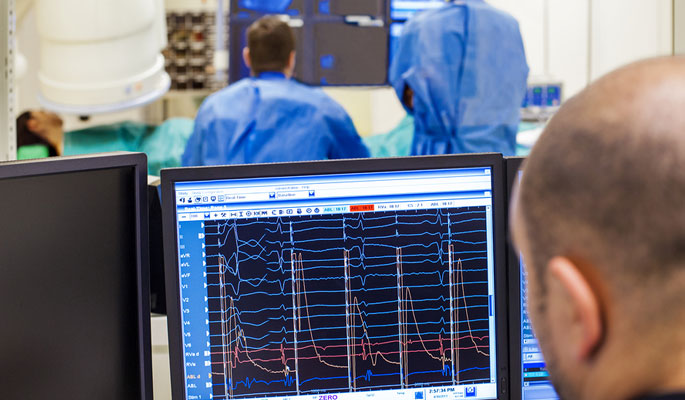
One of the reasons IONM has become so widely used is its versatility. It supports a wide range of procedures, including spinal corrections, tumor removals, brain surgeries, and vascular interventions. Each of these surgeries carries unique risks, and IONM gives specialists the continuous information they need to navigate those challenges with confidence. By combining advanced technology with clinical expertise, IONM helps create a safer environment for both patients and surgical teams.
The effectiveness of IONM relies heavily on the skill and coordination of the professionals behind it. At EPIOM, each case is guided by a board-certified neurologist and monitored by trained technologists who remain in constant communication with the operating room. This team-based approach ensures that every signal is interpreted accurately and reported immediately, giving surgeons the critical insight they need during delicate procedures.
Remote monitoring technology has made IONM even more accessible. Hospitals that do not have specialized neuro monitoring staff on-site can still offer their patients advanced neurological protection. With secure digital systems, neurologists can observe and interpret data in real time from a remote location, extending high-quality monitoring services to facilities across the region.
After surgery, thorough documentation provides valuable information for follow-up care, compliance, and performance review. These detailed reports reflect the events of the procedure and help healthcare teams continue improving their processes and care standards.
IONM continues to play a transformative role in surgical care by reducing risks, improving outcomes, and giving surgeons the real-time insight they need. As medicine advances, the importance of IONM will only grow—helping ensure that every patient receives safer, smarter, and more effective surgical care. To learn more about IONM and its benefits, visit https://epiomneuro.com.